Hypertension
How to Prevent High Blood Pressure
Manage Stress
Too much stress can raise your blood pressure, try to relax by listening to music, exercise, taking deep breaths, and doing fun things you enjoy.
Smoking
Do not smoke. Smoking or using anything with nicotine can raise your blood pressure. The chemicals in tobacco make your heart work harder. Staying away from these products helps keep your heart healthy.
Sleep
Adults should sleep 7-9 hours each night. Sleep helps your body rest and heal. It can also lower your stress.
Medications
If your doctor gives you medicine for high blood pressure, take it every day just like they tell you. Skipping doses can make the medicine not work as well.
Always tell your doctor about any other pills or vitamins you take. Some can mix badly with your blood pressure medicine.
What is Hypertension?
Hypertension is another word for high blood pressure. It means the heart has to work harder to pump blood through your body.
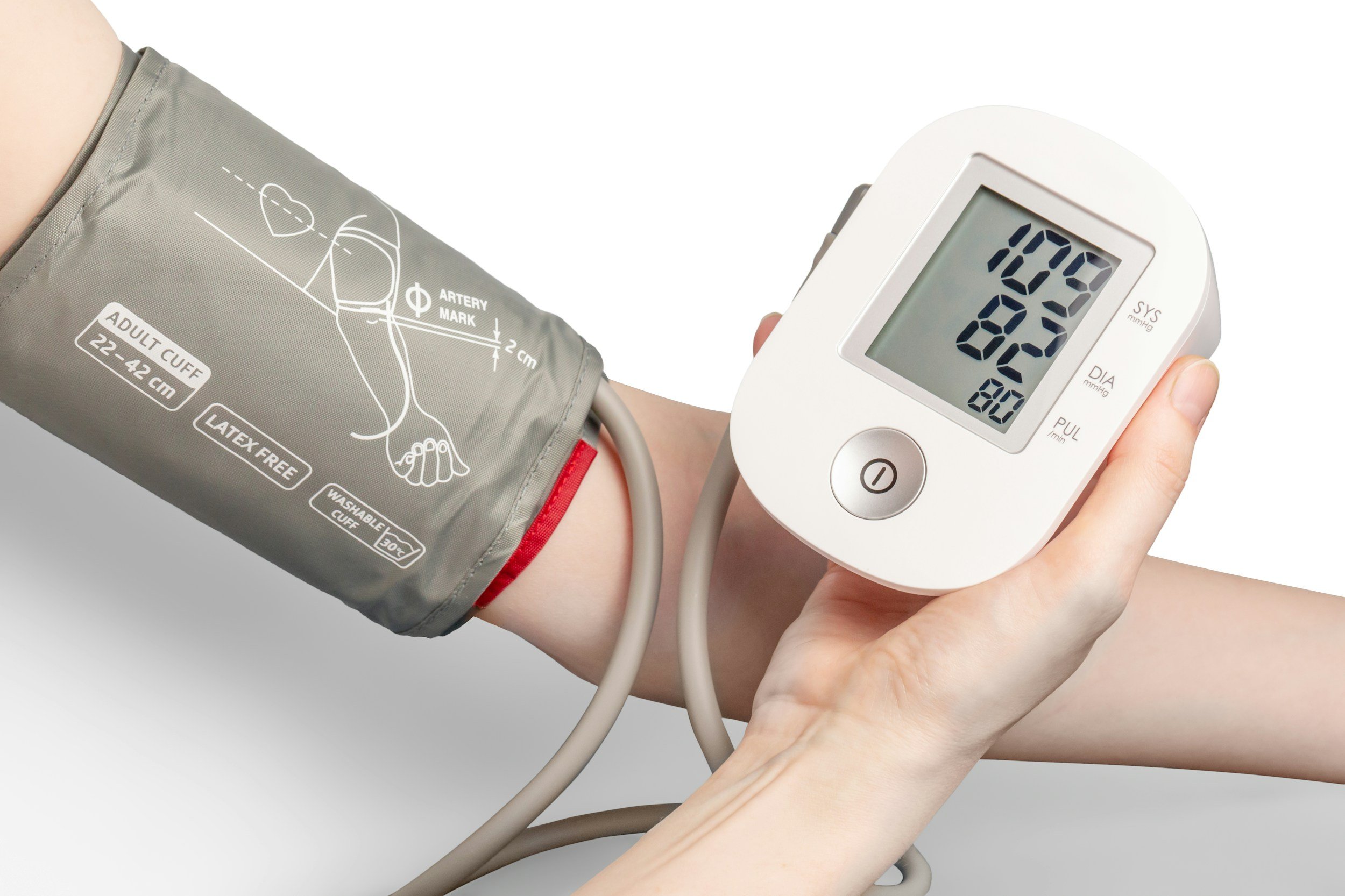
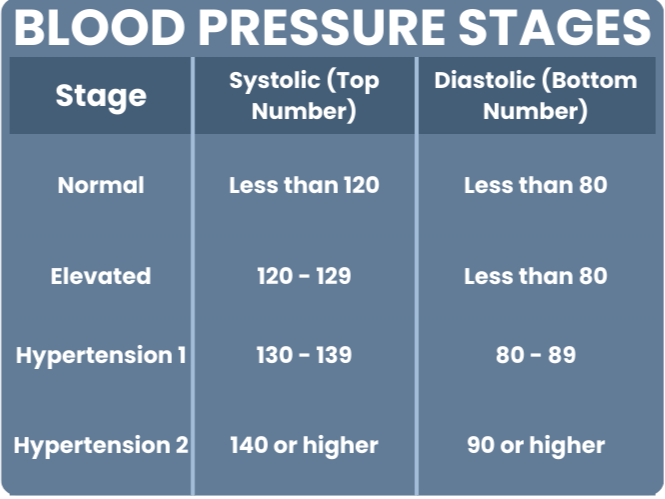
When doctors check your blood pressure, it gives you two numbers. The top number is called systolic and the bottom number is called diastolic.
Symptoms of High Blood Pressure
Some people do not feel any different, but if your blood pressure is very high, you might have:
headache
fast or uneneven heartbeat
dizziness
blurred vision
nose bleed
chest pain
trouble breathing
feeling sick or throwing up
Why is Blood Pressure a Big Deal?
If blood pressure is not treated, it can cause serious health problems. Some of these problems can even be life threatening. These include:
heart attack
stroke
weak blood vessels (aneurysm)
heart failure
kidney problems
eye damage
trouble with memory or focus
vascular dementia (a type of memory loss caused by poor blood flow to the brain.)
How To Check Your Blood Pressure the Right Way
To get a good reading, follow these steps:
Do not smoke, drink caffeine, or exercise for 30 minutes before checking.
Go to the bathroom first so your bladder is empty
Sit quietly for at least 5 minutes before taking your blood pressure.
Sit with your back straight and supported, feet flat on the floor, and legs uncrossed.
Rest your arm on a flat surface so it is level with your heart.
Keep a Blood Pressure Journal
Writing down your blood pressure helps your doctor see how well your treatment is working. Record the date, time, and blood pressure every time you check it. Bring your blood pressure journal with you to your doctors so they can help you stay healthy.
Risk Factors For High Blood Pressure
Some things can raise your chance of having high blood pressure. These are called risk factors. There are two types: ones you can’t change and ones you can.
Risk Factors You Can’t Change
These are things you are born with or happen as you get older:
age
family history
health problems (thyroid disease, kidney disease, diabetes)
Risk Factors You Can Change
These are things you can work on to help your blood pressure:
stress
being overweight
too much alcohol or caffeine
smoking
unhealthy eating
not enough exercise
sleep apnea
How to Prevent High Blood Pressure
Healthy Eating
Doctors recommend the DASH diet to prevent high blood pressure. Here’s how to build a healthy plate:
half your plate fruits and vegetables
one quarter whole grain like brown rice or whole wheat bread
one quarter lean protein like chicken or fish
Other tips:
eat low-fat dairy like skim milk or yogurt
avoid prcessed foods like chips or frozen meals
try to eat less than 1500mg of salt each day.
Excercise
Moving your body helps you heart stay healthy. Do 90-150 minutes of aerobic exercise each week like walking, swimming, or biking
Do resistance exercise (like palates or lifting weights) for 30 minutes, 3 times a week to build muscle and help your heart
Weight Loss
If you are overweight, losing just a little weight can help. Losing 3-5% of your weight makes a difference. For example, if you weigh 200 pounds, losing 6-10 pounds can help lower your blood pressure.
Alcohol
Drinking less alcohol is better for your health—0 to 1 drinks per day for women and 0 to 2 drinks per day for men.